logo Council of Europe
Civil Society
Civil Society Newsletter n°2

 9 September 2026

CLICK HERE FOR FRENCH VERSION

Implementing the European Court's judgments: Latest decisions from the Committee of Ministers
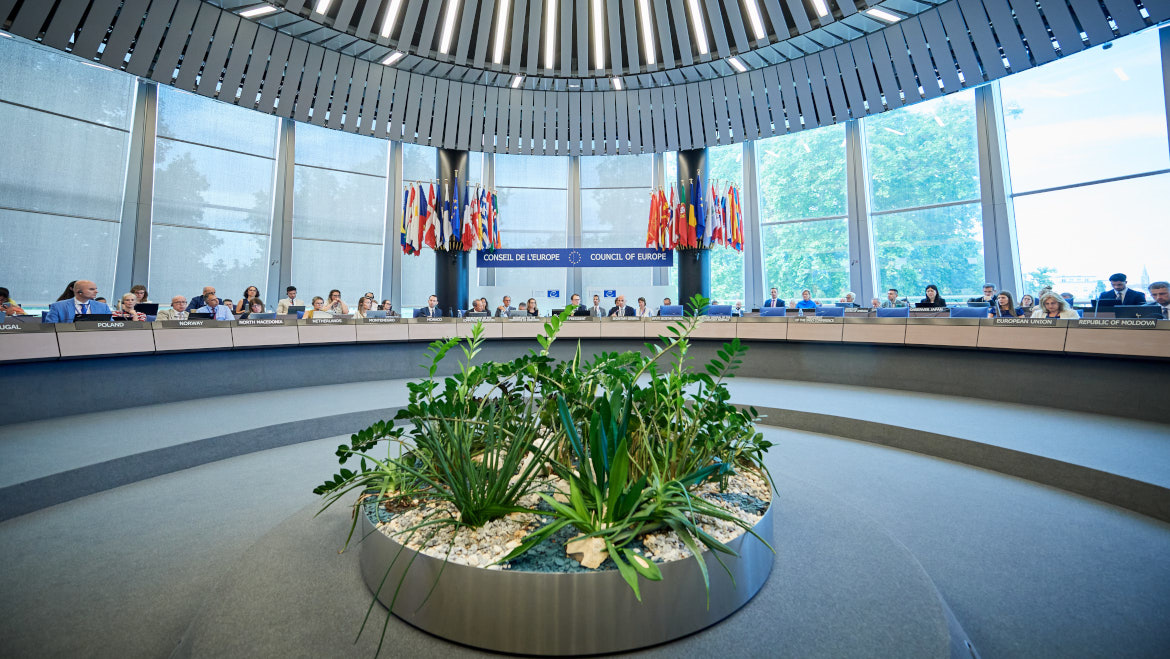
The Committee of Ministers has published 42 decisions concerning 24 states from its June 2026 meeting on execution of European Court judgments, covering a wide range of human rights issues. Civil society organisations can take these decisions into account and continue engaging in the supervision process by submitting observations under Rule 9.2 of the Execution Rules.
Access the decisions here ›
Civil Society's Thematic Briefing Session on SOGIESC judgments of the Court
Engaging with civil society is essential for advancing the rights of LGBTI persons and strengthening the implementation of the Court's SOGIESC judgements. Civil society organisations (CSOs) from six countries briefed national delegates on the remaining gaps and persistent legislative and practical challenges to the timely and full implementation of Court judgments concerning the rights of LGBTI persons.
Find out more about the briefing ›
PACE condemns ‘transnational repression’ and urges new laws to stop it
PACE has condemned all forms of “transnational repression” – a form of foreign interference used by authoritarian regimes to repress political dissidents, journalists, human rights defenders and members of diaspora communities beyond their borders – and has urged new laws to prevent it.
Read more about this condemnation ›
Congress urges partnerships with civil society to counter hate speech
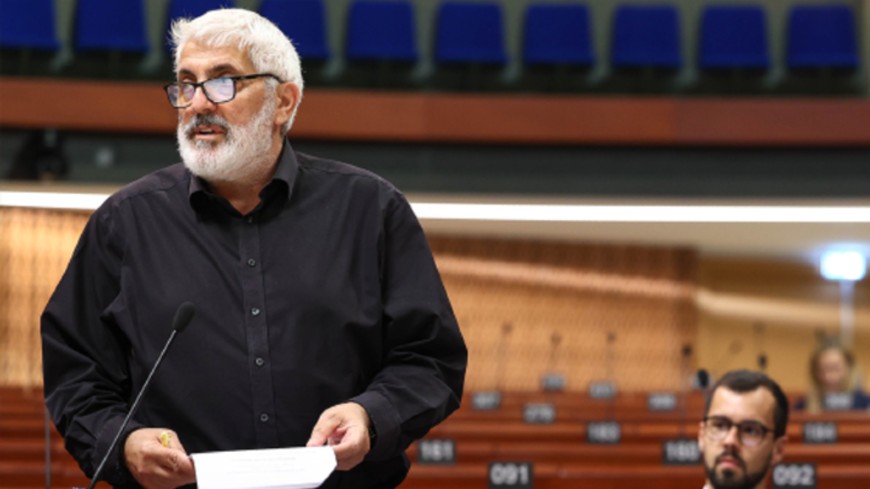
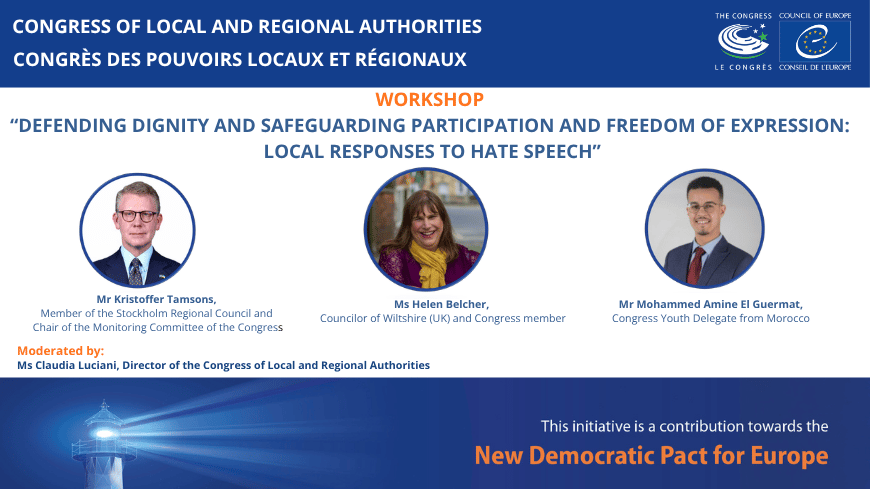
“Hate speech does not occur in a vacuum. It is generally a symptom of underlying causes such as social exclusion, feelings of injustice or discrimination,” stressed Kristoffer Tamsons (Sweden, EPP/CCE), Chair of the Congress Monitoring Committee and co-rapporteur of the reports “Hate speech and fake news: the impact on working conditions of local and regional elected representatives » and “Tackling violence against elected officials », in Strasbourg on 17 June 2026.
Find out what else has been said at the workshop ›
Council of Europe stands with the LGBTI communities, supports pride and dignity across Europe
This last Pride Month, the Council of Europe stood with LGBTI communities across Europe. In Republic of Moldova, the GDM Centre's film exposes how migration, a painful reality for society, also pushes LGBTI couples abroad in search of safety and dignity. In North Macedonia, Skopje PRIDE 2026, supported by the EU and the Council of Europe, marched under "Let Everyone Know!", rejecting the need to hide.
Read more about the event ›
New study "Shifting news authorities and democratic resilience: opportunities and risks associated with newsfluencers in Europe"
At its 29th Plenary meeting (Strasbourg, 17–19 June 2026), the Steering Committee on Media and Information Society (CDMSI) acknowledged the Council of Europe study, "Shifting news authorities and democratic resilience: opportunities and risks associated with newsfluencers in Europe," authored by Marijana Grbeša and Iva Nenadić. This report analyses the impact of ‘newsfluencers’—hybrid media actors—on Europe’s information ecosystem, highlighting both the democratic opportunities and challenges posed by shifting news authority and the growing influence of digital platforms.
Read the study here ›
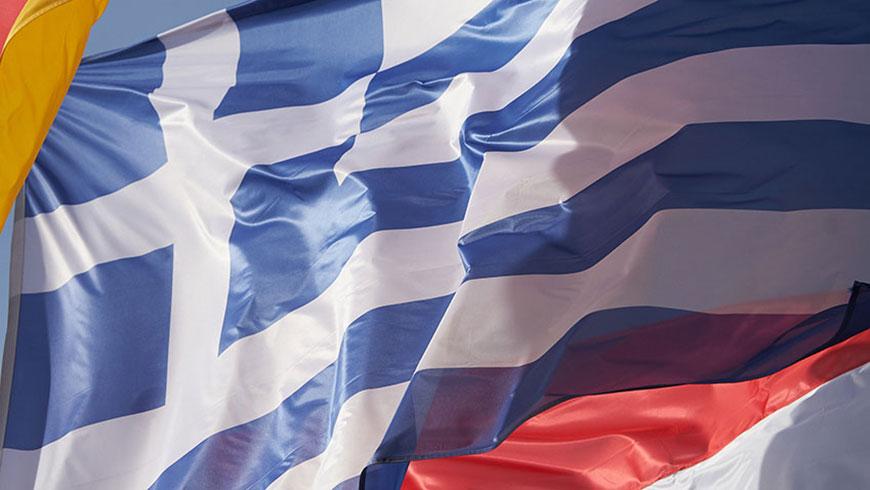
Presidents of CINGO and its Expert Council reiterate concerns about Greece’s NGO registration and Ministerial Decision No. 82876 of 8 May 2026
In a letter sent last June to the Permanent Representative of Greece to the Council of Europe, the presidents of the Conference of INGOs and of its Expert Council on NGO Law address Greece’s Ministerial Decision (MD) No. 82876 on the Establishment of the “Register of Greek and Foreign Non-Governmental Organizations (NGOs)” and the “Register of Members of Non-Governmental Organizations (NGOs)”, adopted recently and published in the Official Gazette of 11 May 2026. Read the full letter here
Read the full letter here ›
Istanbul Convention - The role of NGOs
NGOs from Iceland, Ireland, Liechtenstein, Luxembourg and Republic of Moldova are invited to submit shadow reports in response to GREVIO’s first thematic questionnaire, which addresses key issues on preventing and combating violence against women and domestic violence. Civil society organisations are encouraged to provide independent perspectives and highlight challenges and progress in their countries, helping support GREVIO’s assessment under the Istanbul Convention.
Share your findings ›
Targeted questions to States Parties for the next statutory report on the European Social Charter
States Parties have been requested to submit their reports answering questions on specific articles (health; housing; disability; children; older persons; social security; social assistance; poverty; and education.) by 31 December 2026. Third parties will be invited to submit their comments with a deadline of 30 June 2027.
Read more about the targeted questions ›
Committee of Ministers adopts New Recommendation on Peace Education by, with and for young people
On 8 July 2026, the Committee of Ministers adopted Recommendation CM/Rec(2026)11, calling on member States to strengthen peace education by, with, and for young people. This groundbreaking text urges governments to develop policies that actively involve young people in designing and delivering peace education, both in formal and non-formal settings.
Consult the full text here ›
Council of Europe launches new Recommendation on accountability for technology-facilitated violence against women and girls
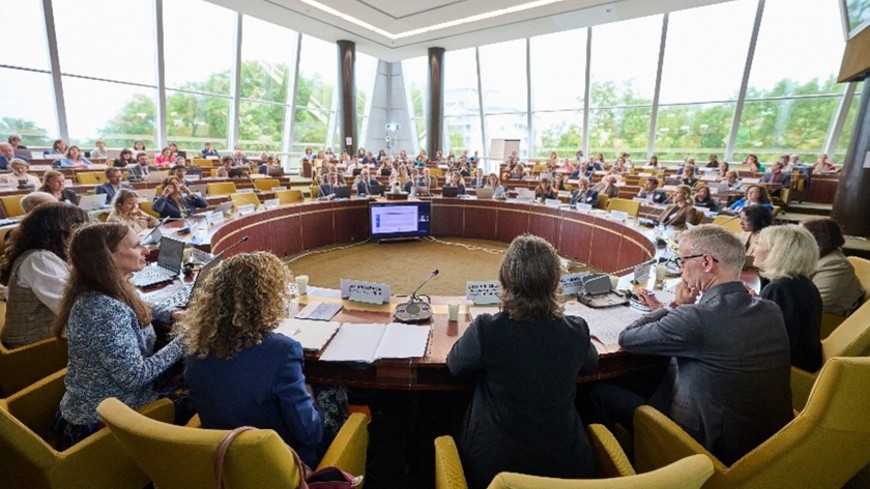
On 10 June, the Council of Europe launched Recommendation CM/Rec(2026)2 on accountability for technology-facilitated violence against women and girls at the Palais de l’Europe in Strasbourg and online. The Recommendation was prepared jointly by the Gender Equality Commission (GEC) and the Council of Europe Committee on Crime Problems (CDPC) and was adopted by the Committee of Ministers on 4 March 2026.
Learn more about the event ›
Council of Europe adopts a Recommendation on respect for autonomy in mental healthcare
The Committee of Ministers adopted a Recommendation on respect for autonomy in mental healthcare, reaffirming free and informed consent and respect for the person’s will and preferences. The Recommendation calls for strict legal safeguards for any exceptions and equitable, early access to mental healthcare, including community-based care.
Discover the Recommendation here ›
ECRI publishes reports on Albania, Austria, Monaco and the Slovak Republic
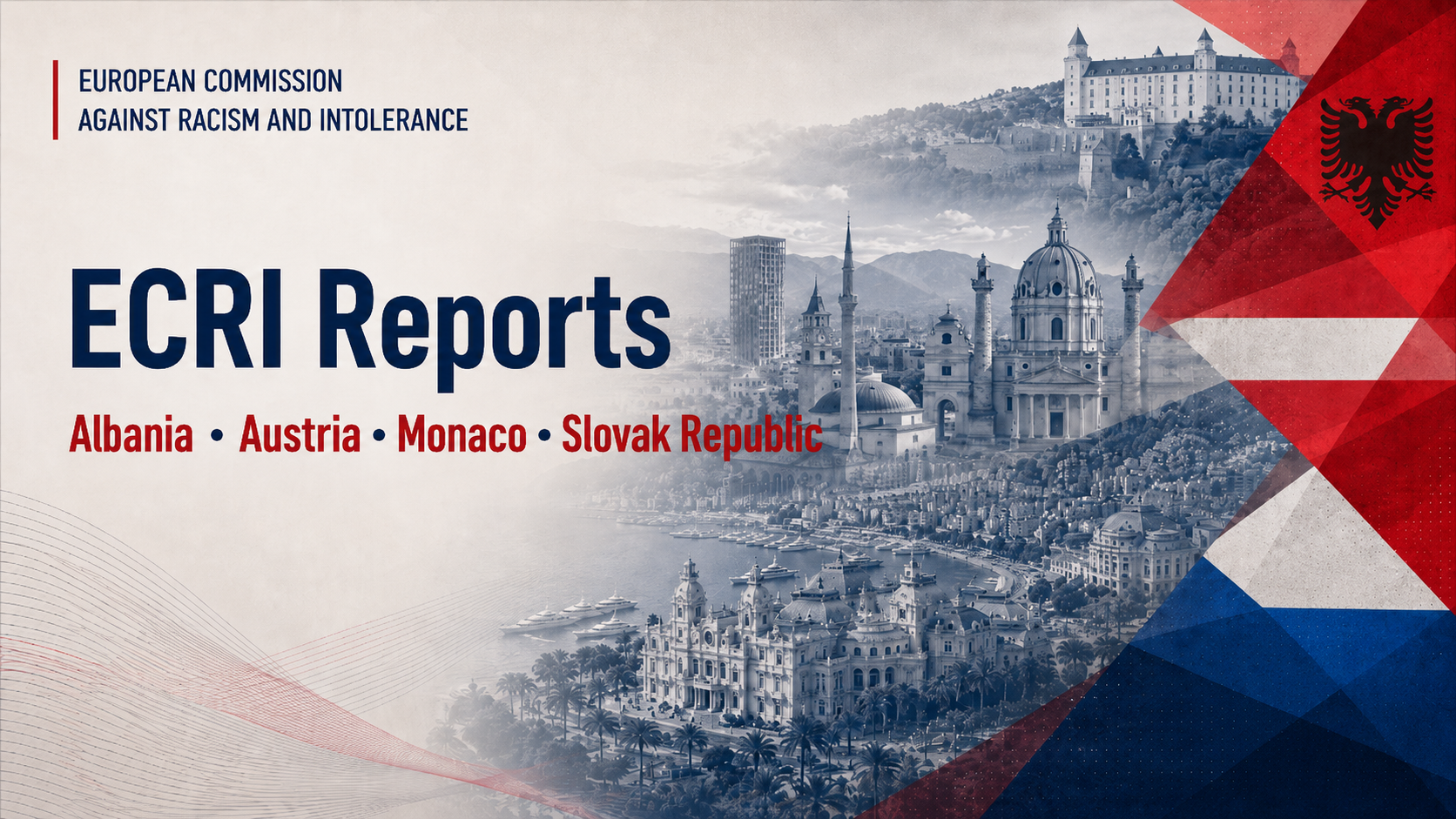
In June 2026, ECRI published its first country reports under the seventh monitoring cycle, covering Albania, Austria, Monaco and the Slovak Republic. The reports assess action against hate speech and hate crime, equality and inclusion in education and healthcare, as well as country-specific issues, and set out recommendations to the authorities. They were adopted by ECRI following visits to the countries concerned that involved meetings with various national and local civil society actors.
48 new NGO Submissions on Execution of European Court Judgments
NGO submissions to the Committee of Ministers are one of the key ways civil society contributes to the Council of Europe's human rights accountability work. In June–August 2026, 48 submissions were received on the execution of Court judgments against 16 countries. NGOs are encouraged to continue to engage through this channel.
Explore the judgements here ›
48 new NGO Submissions on Execution of European Court Judgments
European Court of Human Rights opens its doors to the public
The European Court of Human Rights has launched a new initiative, “A Court open to all”, inviting the public to discover one of Europe’s leading human-rights institutions through regular open days at its Strasbourg premises. From September visitors will be able to explore the Court on the first Friday of every month, gaining a behind-the-scenes insight into its work, history and architecture.
Find out how to visit the Court ›
European youth unveil Manifesto for Democracy in 2049
End June 2026, young Europeans gathered in Strasbourg to contribute to a New Democratic Pact for Europe. Their Manifesto: Youth Visions for a European Democracy in 2049 sets out ideas to empower young people, strengthen democratic participation and ensure youth voices influence decision-making at local, national, and European levels. A youth delegation will bring these perspectives to discussions on the Pact at the World Forum for Democracy (2-3 November 2026)
Discover their perspectives ›
European youth unveil Manifesto for Democracy in 2049
Preventing and addressing intimidation or reprisals against ECRI civil society partners
In 2026, the European Commission against Racism and Intolerance (ECRI) adopted internal guidelines for preventing and addressing intimidation or reprisals against its civil society actors. It updated its webpage dedicated to civil society and encourages its civil society partners to report to its Secretariat, for the attention of its Working Group on relations with Civil Society and Equality Bodies, any intimidatory or retaliatory action for seeking to engage or for having engaged with ECRI.
Learn about this initiative ›
New recommendation addresses sex- and gender-related disparities in organ donation and transplantation
The Committee of Ministers of the Council of Europe has adopted Recommendation CM/Rec(2026)9 on reducing sex- and gender-related inequities in organ donation and transplantation. Prepared by the European Committee on Organs, Tissues and Cells (CD-P-TO) coordinated by the EDQM, it is based on a Europe-wide study showing differences between women and men in organ donation, access to transplantation and outcomes. The recommendation calls for better data, research and policies to help ensure fair, transparent and equitable access to transplantation for all patients and donors.
Explore the recommendation ›
New recommendation addresses sex- and gender-related disparities in organ donation and transplantation
Advancing Gender Equality Through Values-Based Communication: a new Practical Guide to deflect anti-gender rhetoric
Rhetoric questioning gender equality is increasingly used as a tool to fuel mistrust in democratic institutions and to polarise societies. To support authorities, communicators, and civil society to counteract these divisive narratives, the Council of Europe’s Gender Equality Commission has developed a new publication: Advancing Gender Equality Through Values-Based Communication: A Practical Guide to Deflect Anti-Gender Rhetoric
Read more ›
Strengthening Local Responses to Negative Narratives and Hate Speech
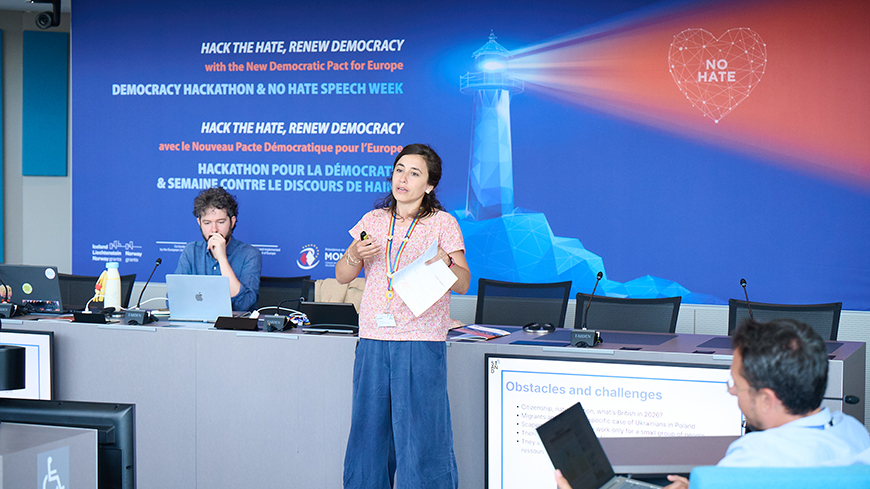
Within the framework of the No Hate Speech week 2026, the Intercultural Cities (ICC) Programme, in partnership with ICEI – Istituto Cooperazione Economica Internazionale, a civil society organisation and coordinator of the Italian Intercultural Cities network, organised a workshop bringing together local authorities and civil society organisations to exchange experiences, share practical approaches and strengthen local responses to negative narratives, hate speech and discrimination.
Read more about the workshop ›
Strengthening Local Responses to Negative Narratives and Hate Speech
LGBTIQ Workplace Inclusion: Strengthening Cooperation between Public Authorities, Civil Society and Business
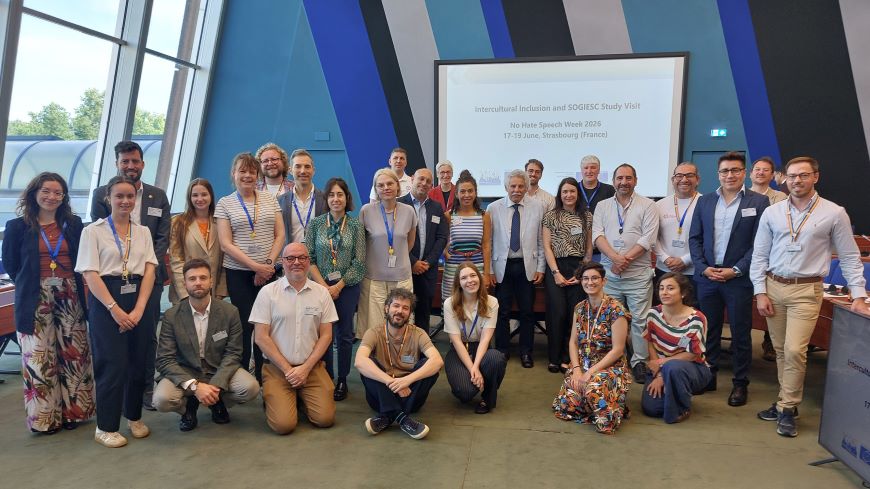
Within the framework of the No Hate Speech week 2026, the Intercultural Inclusion Unit and SOGIESC Unit organised a three-day study visit bringing together public authorities, municipalities, LGBTIQ civil society organisations and businesses from 14 countries, exploring practical approaches to advancing LGBTIQ inclusion in workplaces, including through cooperation between local authorities, civil society and the private sector.
Read more ›
New report on compliance with Lanzarote Committee’s recommendations
The Committee of Parties monitoring the implementation by States of the Council of Europe’s Convention on the Protection of Children against Sexual Exploitation and Sexual Abuse (the Lanzarote Convention) adopted a new report, assessing compliance with its earlier recommendations related to tech-facilitated sexual offences against children. Civil society organisations are encouraged to use the report’s findings for advocacy.
Explore the full report here ›
New report on compliance with Lanzarote Committee’s recommendations
Ethnic and national minority representatives join civil dialogue on strengthening inclusive democracy
Representatives of ethnic and national minorities, including Azeri, Armenian and Ukrainian communities, together with civil society organisations, youth leaders, journalists, educators and community activists from across Georgia, came together for a two-day civil dialogue round table on strengthening inclusive democracy.
Learn more about the round table ›
Joint EDQM-Infarmed symposium sets shared priorities to strengthen patient-centred care and appropriate use of medicines across Europe
The EDQM and Portugal’s medicines agency INFARMED brought together nearly 200 participants from over 30 countries to discuss how to improve patient-centred healthcare and the safe use of medicines. The event highlighted the importance of collaboration, digital innovation, medication safety, medicine traceability and patient and civil society involvement in shaping future health policies and practices.
Read more about the event ›
Joint EDQM-Infarmed symposium sets shared priorities to strengthen patient-centred care and appropriate use of medicines across Europe
Joint statement of CDADI and GEC on the fundamental importance of equality, gender equality, diversity and inclusion for the New Democratic Pact for Europe
The Steering Committee on Anti-Discrimination, Diversity and Inclusion (CDADI) and Gender Equality Commission (GEC) joint statement underlines the fundamental importance of equality, gender equality, diversity and inclusion for the New Democratic Pact for Europe, the strategic initiative of the Council of Europe to make European democracies more resilient and adapted to the changing world.
Discover the full statement ›
Council of Europe advances equality agenda with Belarusian democratic forces and civil society: new tools and strengthened commitments
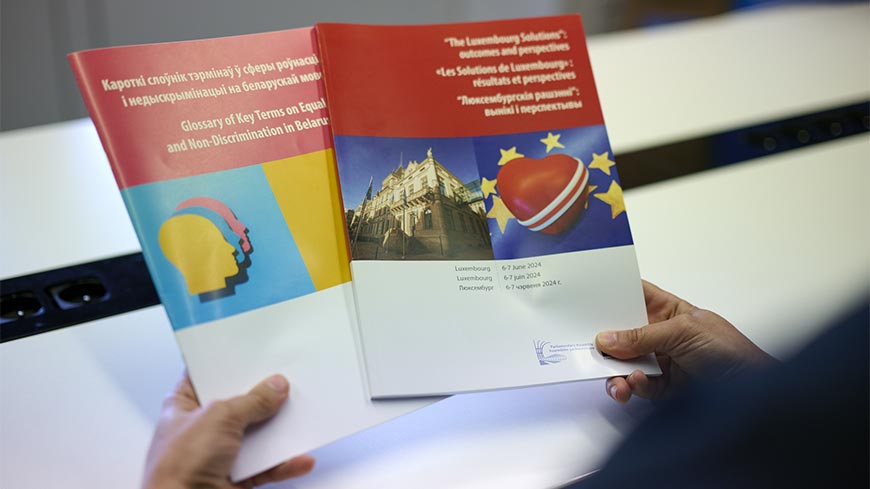
Representatives of the Belarusian democratic forces and international partners have presented key results of their work to promote equality and non-discrimination principles over the past two years in Belarus, at a conference held in Warsaw as part of a joint European Union-Council of Europe programme. The conference brought together Belarusian political leaders in exile, civil society and international partners, setting out future priorities and highlighting how cooperation continues to advance European standards and prepares the ground for a future democratic Belarus.
Learn more about the conference ›
Council of Europe advances equality agenda with Belarusian democratic forces and civil society: new tools and strengthened commitments
The European Committee of Social Rights publishes its decision on the Collective Complaint: International Federation for Human Rights (FIDH) and International Movement ATD Fourth World v. Belgium
In its decision on the merits, on Complaint No. 233/2023 by FIDH and ATD Fourth World v. Belgium, the ECSR found violations of the right to protection against poverty and social exclusion, and indirect discrimination particularly affecting Roma and other disadvantaged groups, due to municipal regulations restricting begging. This important decision underlines the urgent need for fair and inclusive social policies.
Read more about this decision ›
Third consultation with civil society stakeholders and service providers on the implementation of the Second Protocol to the Convention on Cybercrime
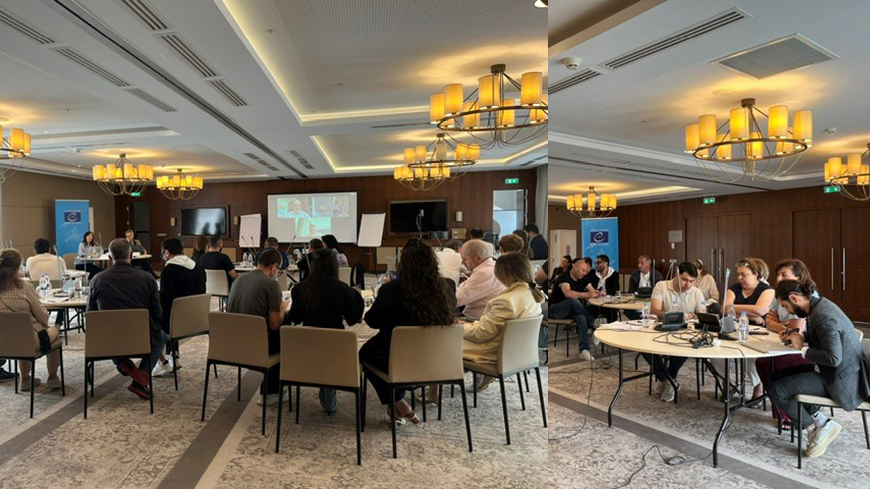
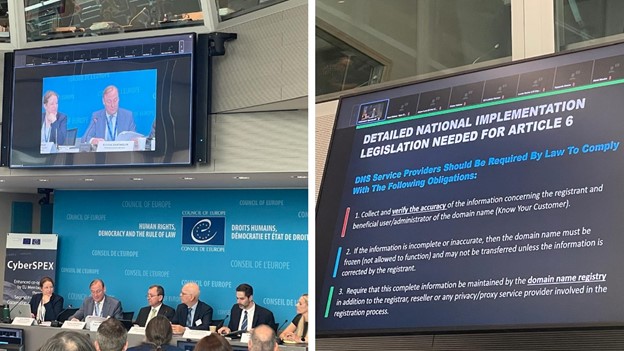
A civil society consultation examined how to conduct efficient criminal investigations and proceedings across borders while respecting human rights, the rule of law and data protection. Participants stressed necessity, proportionality, judicial oversight, transparency and effective remedies in cross-border co-operation, alongside victims' rights, trauma-informed and child-sensitive approaches.
Find out more about the findings ›
Third consultation with civil society stakeholders and service providers on the implementation of the Second Protocol to the Convention on Cybercrime
CINGO’s Expert Council invites Bulgaria to revise its Law on Interest Representation
The Expert Council on NGO Law is publishing its Opinion on the Compatibility of the Bulgarian Law on Interest Representation with European Standards. The Opinion concludes that regulating lobbying is not inherently problematic. However, insofar as such regulation affects NGOs, it must comply with the requirements of legality and proportionality established by the case law of the European Court of Human Rights concerning permissible interferences with freedom of association and related rights. Learn more about the opinion here
Read the opinion ›
Other News
 
Consultations and Hearings
 
Grant Opportunities
 
Upcoming events

27 September -2 October 2026 - General Assembly of the CINGO - Strasbourg, France - hybrid

18 November 2026 - 2026 Edition of 18 November #EndChildSexualAbuse Day dedicated to ethical media reporting, Launch of the Ethical Media Reporting handbook 

4 December 2026 - High-Level Conference on Health Literacy and Human Rights - Rome, Italy


Have your say
You are receiving this newsletter based on your interest in Civil Society's engagement with the Council of Europe. We would love to hear your feedback, you can contact us at [email protected].
Previous newsletters
Read our previous issues here ›
Council of Europe, Avenue de l'Europe F-67075 Strasbourg Cedex
Tel. +33 (0)3 88 41 20 00
www.coe.int
logo Council of Europe